
Criminal Cases in the Leslie County Courts
Two trial-court levels share one local records office. Kentucky Circuit Court has general jurisdiction and hears felonies and capital offenses. Kentucky District Court hears misdemeanors, violations, traffic cases, and preliminary matters in felony cases. An arrest may therefore appear first in a District case before a felony moves to Circuit Court after an indictment. The case number and court name are key because they identify the file that contains the docket and orders. The County Attorney handles matters assigned to that office, while felony prosecution belongs to the Commonwealth's Attorney. Neither prosecutor is the custodian of the signed case file.
The unified Leslie Office of Circuit Court Clerk maintains both District and Circuit files. The clerk is Carmolitta Morgan-Pace, and the public counter is at 22010 Main Street, Unit 1, Box 7, Hyden, KY 41749. Office hours are weekdays from 8 a.m. to 4 p.m. Call 606-672-2503 or 606-672-2505 before a trip. Ask for the docket and disposition first, then name the order, plea, judgment, transcript, or other item needed. Cash, check, and money order are listed counter payment choices. ePay is available for eligible online payments, but the local page does not publish court-copy or certification fees.
Leslie County Court Case Divisions
Court level tells a searcher where the criminal case stands. A misdemeanor generally stays in District Court. A felony can begin there for a preliminary hearing, then proceed in Circuit Court once the charging process supports that move. This split prevents a common error: reading an early District entry as the whole felony record. It may show bond, an initial appearance, or a preliminary event but not the later plea, trial result, or sentence.
The official District Court jurisdiction page sets out the lower court's role in criminal and traffic matters.
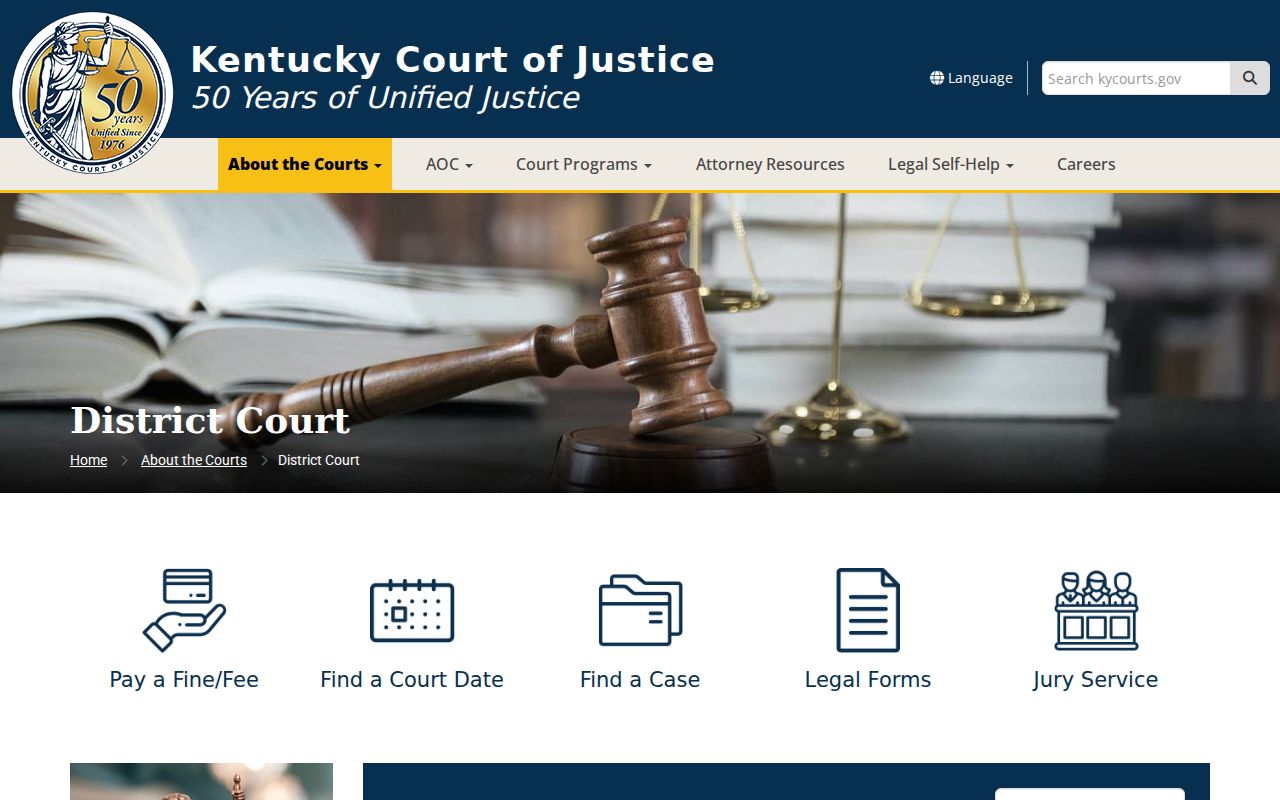
This source helps distinguish an early felony proceeding from the final Circuit file. The Circuit Court jurisdiction page supplies the matching felony-level rule.
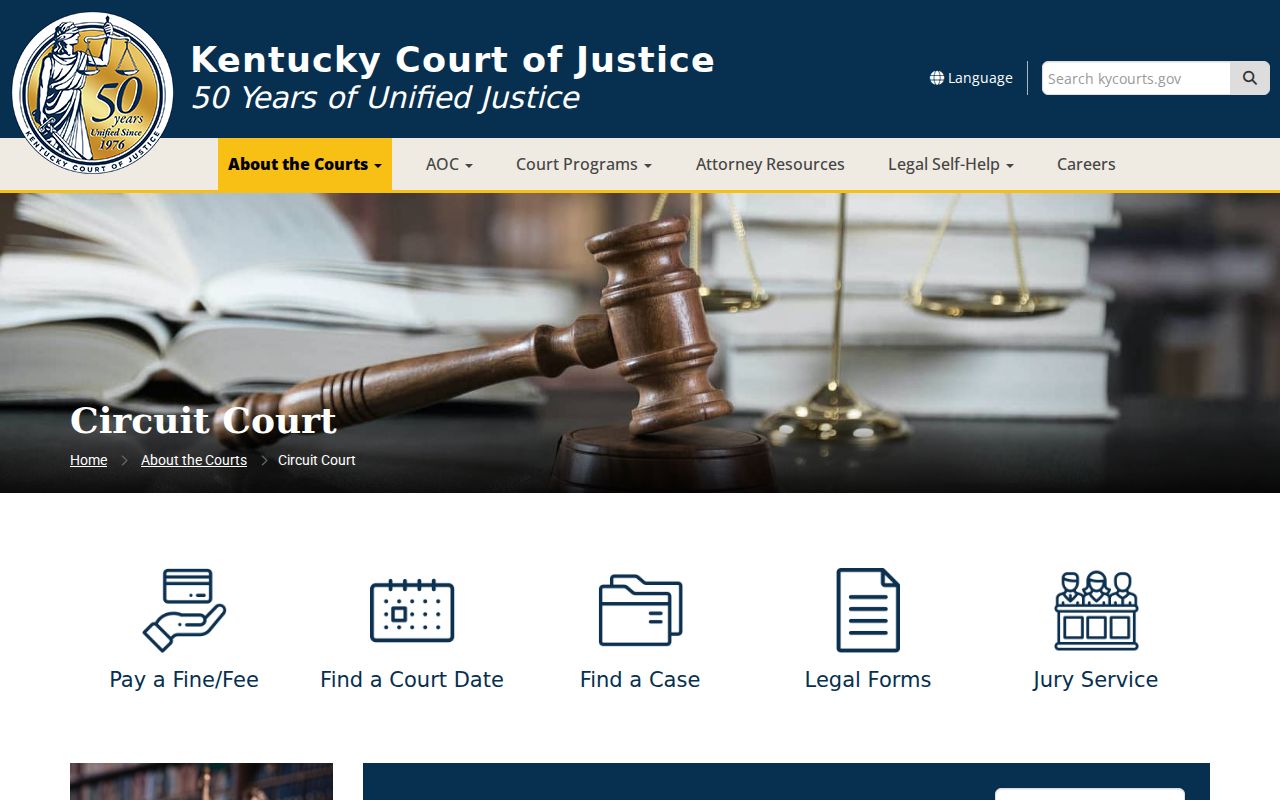
Together, the two official sources show why both court levels may need to be checked for one Leslie County prosecution.
How to Search Case Records
Use Find a Case or Find a Court Date as a lead, not as a substitute for the local file. Public access to CourtNet is more limited than expanded account or role-based access, and no free Leslie County document-download portal was verified. The most reliable route combines the statewide lead with a call or visit to the clerk. Give enough facts to separate people with similar names, but do not guess at a case number.
- Decide whether the question concerns a filed charge, a court date, or a final judgment.
- Search the available statewide case tools by party name or known case number, then note the county, year, and case type.
- Call the Leslie clerk with the name, approximate filing year, and likely District or Circuit level.
- Confirm the exact case number and request the docket and disposition before ordering other documents.
- Ask how to inspect or receive copies, what certification costs, and whether an older file has an archive locator.
| Search Detail | Format | Best Channel | Why It Helps |
|---|---|---|---|
| Party name | Full name | Statewide lead and clerk | Starts the search when no number is known |
| Approximate year | Four-digit year or range | Clerk | Narrows current and archived files |
| Case type | T, M, F, or CR | AOC report and clerk | Separates traffic, misdemeanor, felony charge, and Circuit criminal activity |
| Case number | Exact court identifier | Clerk | Points to the docket and requested documents |
| Facility locator | Facility and file-locator numbers | Clerk | Tracks an accessible file transferred from the local office |
The official trial-court record request instructions confirm that requests begin with the circuit clerk in the county where the case was heard.
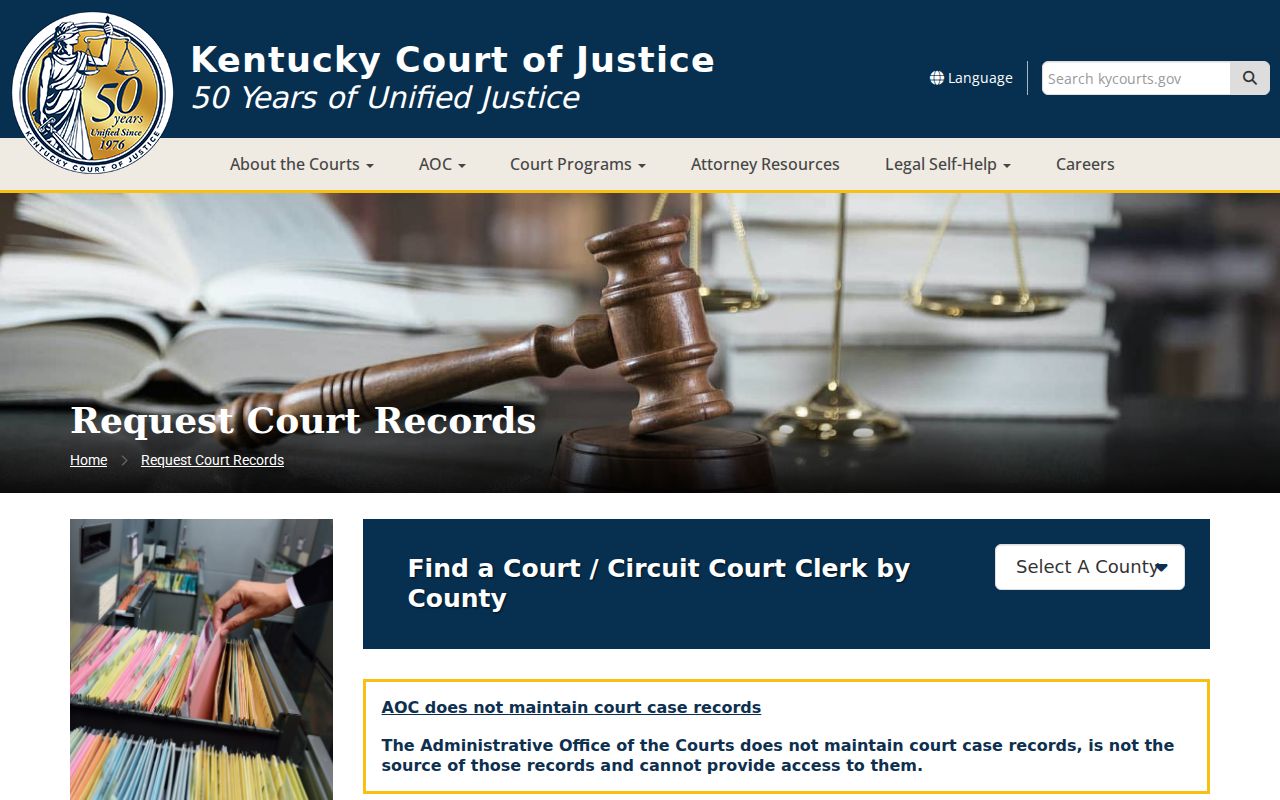
That clerk-first rule matters most when a search summary lacks the document needed to confirm the result.
Leslie County Court Case Archives
An empty online result does not always mean that no Leslie County court case exists. The official county court page explains that the Administrative Office of the Courts does not maintain the local case file. Depending on its type and age, a file may remain at the clerk's office, may have moved to a records facility, or may have been destroyed under Court of Justice retention schedules. This is a local search problem with a direct fix.
Call the clerk with the name, likely case type, and approximate year. If the file moved, ask for the name of the records facility plus the case and file-locator numbers. Those details let staff trace an accessible archive item. If the file was destroyed under schedule, ask whether the docket, disposition, or another retained record can still answer the question. A statewide report can be useful for finding the county and number, but it cannot recreate a local file that is no longer retained.
A new Leslie County Judicial Center is in the design phase with expected completion in 2028. Until the move occurs, use the existing courthouse and confirm any later location change with the clerk.
Note: Online absence can reflect archive status, access limits, expungement, or retention rules rather than proof that no case was filed.
What the Case File Shows
A Leslie County criminal case file tracks prosecution rather than the arrest alone. Kentucky's request page lists citations, pleadings, motions, orders, evidence, reports, dockets, video recordings, and transcripts among common court records. The full file may also identify parties, counsel, judge, bond terms, hearing events, indictment, plea, sentence, costs, and the signed judgment. Availability and redaction rules still apply. For most self-review or case research, the docket, charging document, disposition, and signed judgment provide the clearest path from accusation to outcome.
| Case Number & Court | Identifies the District or Circuit file, county, and proceeding. |
|---|---|
| Charging Document | Shows the citation, complaint, information, or indictment and the charge as filed. |
| Docket Entries | List filings, hearings, orders, and other court events in date order. |
| Hearing Dates | Show scheduled and completed appearances, subject to later changes. |
| Disposition & Judgment | State how each charge ended and provide the signed court result when available. |
| Sentence & Conditions | Record custody, probation, costs, restitution, or other terms imposed after conviction. |
The arrest charge may be amended, dismissed, or replaced. Read the final Leslie County disposition charge by charge instead of treating the first allegation as the result.
Leslie County Court Case Types
The statewide AOC report groups covered activity into four short case types. These codes help route a Leslie County case, but they do not replace the case file. A report can show county of origin, case number, original and amended charge, charge and disposition dates, disposition, and a clerk memo. It omits expunged and purged matters as well as confidential juvenile, mental-health, and domestic-violence cases.
- T
- Traffic case activity included in the statewide court report.
- M
- Misdemeanor activity generally handled at the District Court level.
- F
- A felony charge, which may include an early District Court stage.
- CR
- A Circuit criminal matter, including felony prosecution at that court level.
The AOC statewide report costs $25 and spans all Kentucky counties. It is marked “Not an Official Court Record.” A person who needs a certified Leslie County disposition must still request it from the local clerk.
Stages of a Criminal Case
A case begins when a charge is filed, not merely when an arrest occurs. District Court may handle the first appearance, release decision, and preliminary felony work. A grand jury can return an indictment, which is a formal accusation rather than proof of guilt. Circuit Court then holds the felony case through motions, a plea or trial, disposition, and any sentence. Misdemeanor cases normally remain in District Court. Timing varies with the file, so no fixed Leslie County timetable is supported by the official research.
Case flow: Charges Filed → Arraignment → Pretrial → Plea or Trial → Disposition → Sentencing
A disposition is the recorded outcome of a charge. A dismissal ends a charge without conviction, an acquittal is a not-guilty finding, and a conviction is a judgment of guilt after a plea or verdict. The Leslie County docket shows how the matter moved; the signed order or judgment confirms the court's action.
Note: An indictment states a formal charge; it does not prove guilt or predict the final Leslie County court disposition.
Leslie County Court Case Judgments
A statewide name report and a signed Leslie County judgment serve different purposes. The AOC result is useful for locating Kentucky court activity across counties. It can reveal an original charge, an amendment, a disposition, and the clerk's memo. Yet its own label says it is not an official court record. That warning is practical, not a minor footnote. A summary may not contain the signature, detailed sentence, findings, or exact terms shown in the local file.
When the outcome matters, ask the clerk for the exact docket entry and signed disposition or judgment. Confirm each count because one count may be dismissed while another ends in a plea or verdict. If a form is needed for a court filing, use the current Kentucky legal forms catalog rather than an old saved copy.
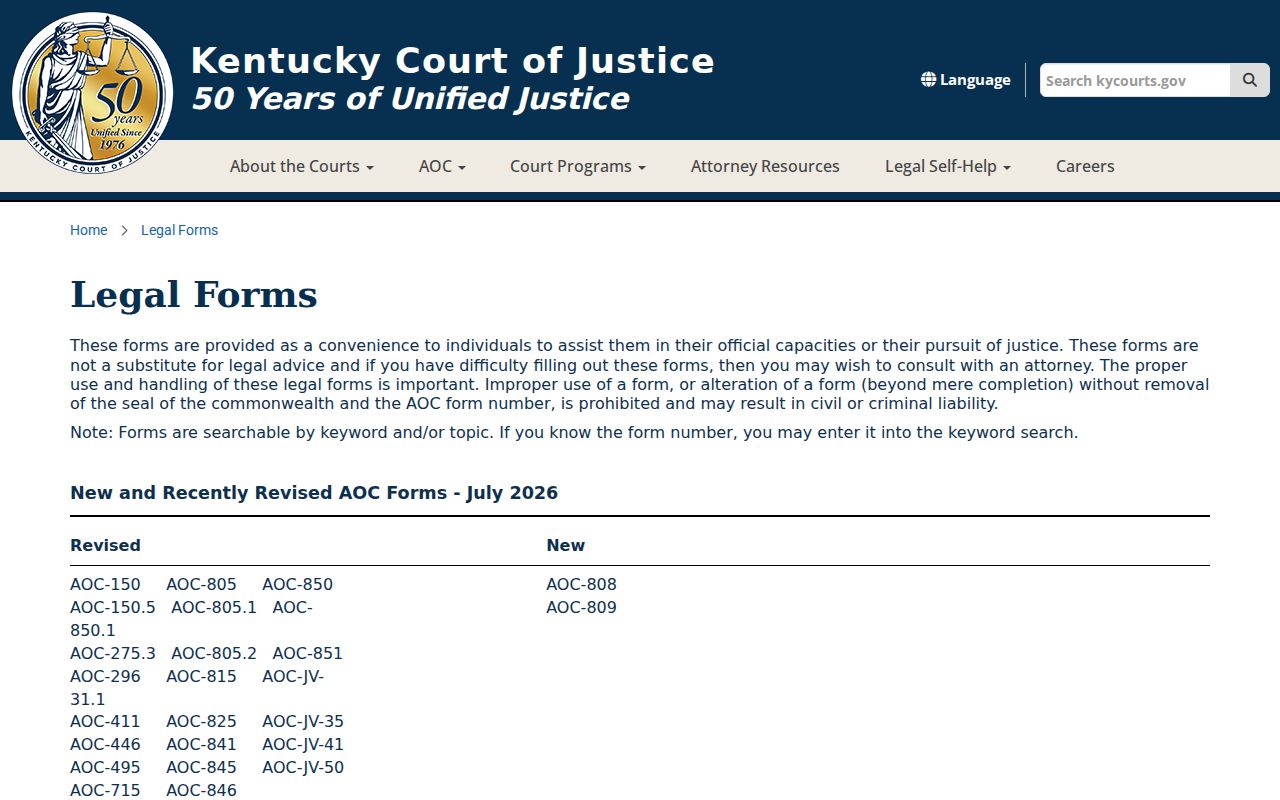
The catalog helps identify current official forms, while the Leslie County case file remains the source for the entered order.
Access & Restrictions
The Kentucky Open Records Act, KRS 61.870 through 61.884, provides a general right to inspect nonexempt public records held by covered agencies. Court access still depends on the record, the court rules, and the custodian. Juvenile material, protected victim or minor data, personal identifiers, mental-health and domestic-violence cases, sealed warrants or indictments, and expunged matters can be restricted or absent. Active evidentiary material may also require review before release.
Ask the office that holds the item. The clerk can provide filed pleadings and signed orders. The sheriff or KSP keeps its own investigative report. AOC supplies its statewide court-activity product but does not keep the Leslie County signed file. If a request is narrowed, redacted, or denied, ask for the legal basis in writing. For an eligible expunged case, ordinary public results should not be expected to display the covered matter.
Leslie County and Federal Cases
Leslie County trial cases and federal cases use separate systems. A federal prosecution for this area belongs to the U.S. District Court for the Eastern District of Kentucky, not the Leslie Circuit Clerk. PACER is the official federal docket and case-access channel and requires registration under the current federal fee schedule. London and Pikeville are eastern courthouse locations to check against the division assigned to a specific federal case.
The official Eastern District courthouse list shows the federal locations.
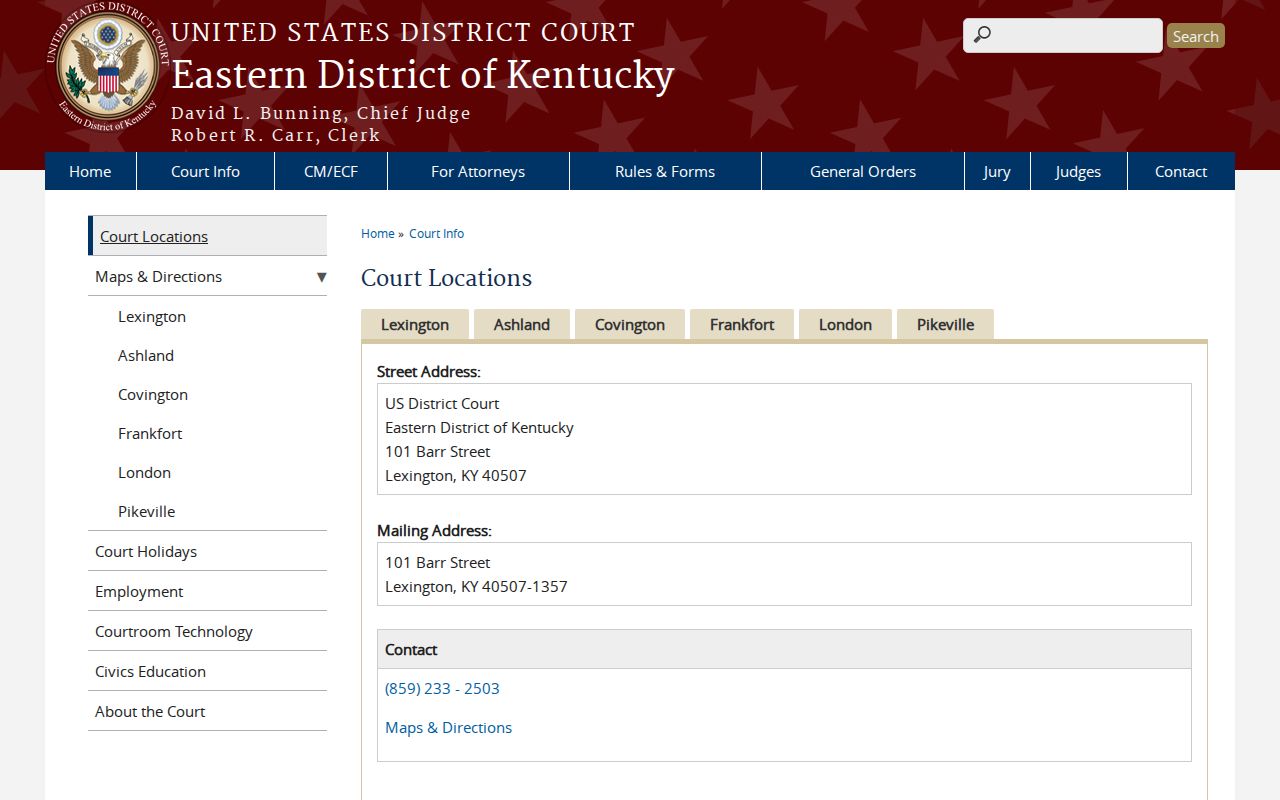
This federal list keeps a Leslie County state-court search from ending at the wrong clerk. Use the local clerk for Kentucky District and Circuit files, C-Track Public Access for Kentucky appellate cases, and PACER for federal dockets. A federal inmate search is yet another custody record and does not establish the full federal court outcome.
Note: A Leslie County clerk search cannot confirm a federal docket, and PACER does not replace the local state-court file.